
Milpitas, CA Insulation Contractor
Fiberglass, Cellulose, Spray Foam, Attics and More – Call Today.
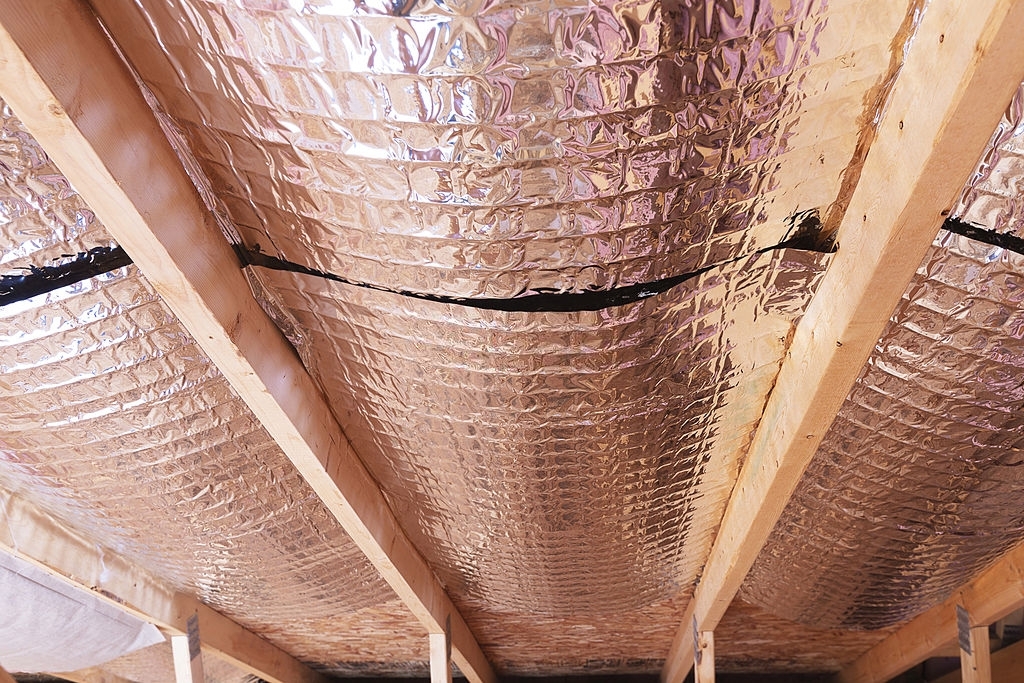
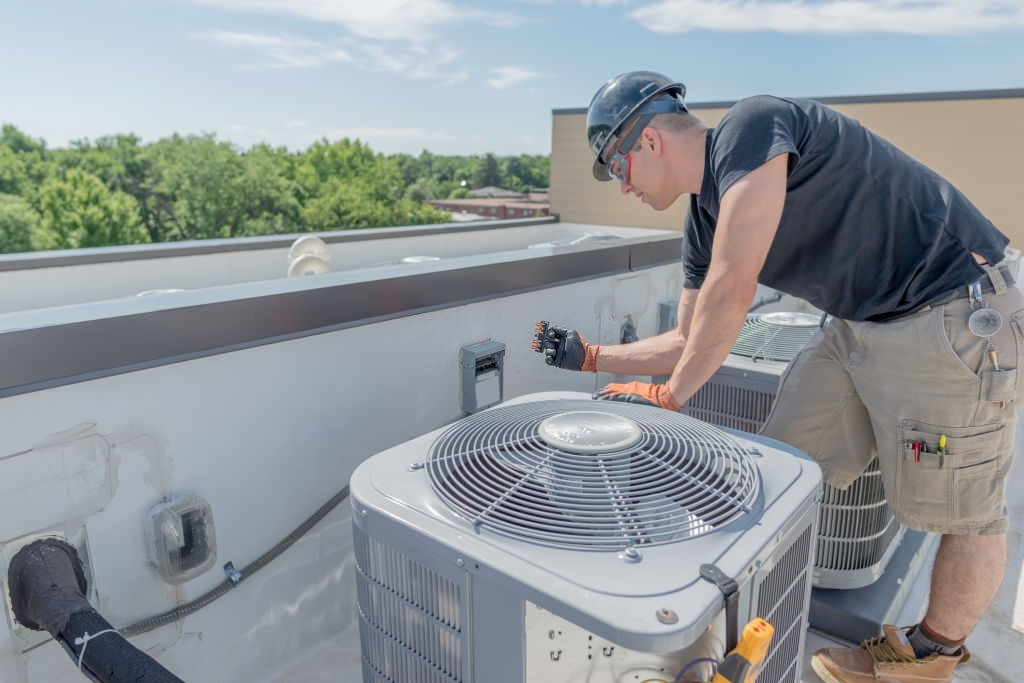
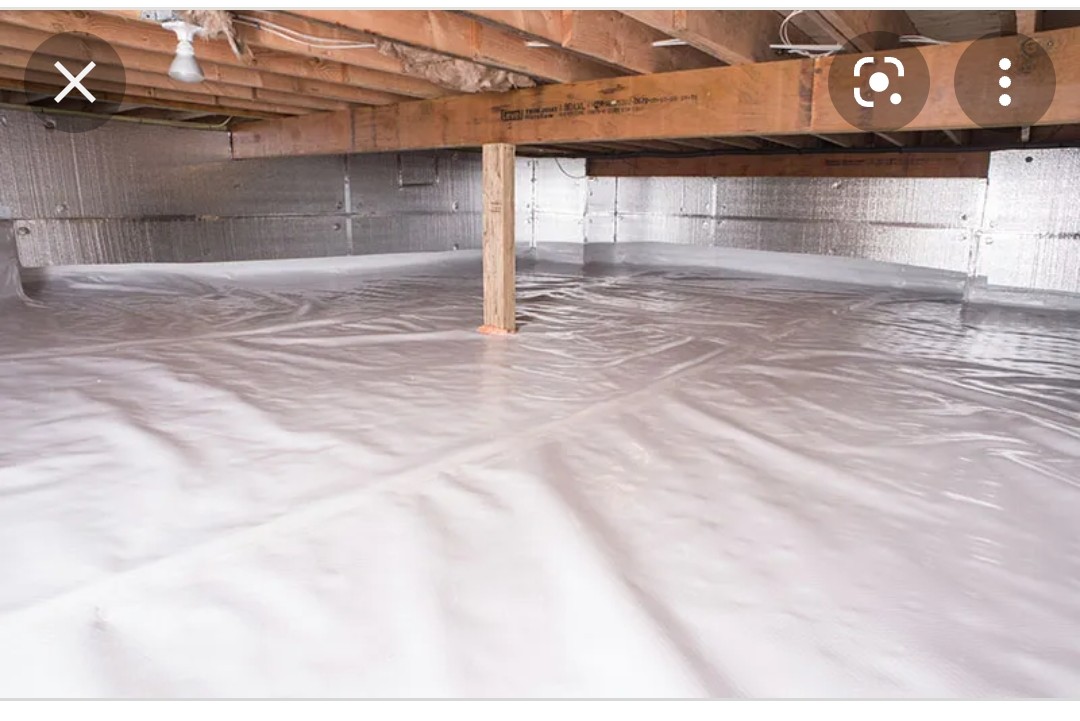
EM Energy & Air provides insulation installation and replacement services for homes in Milpitas, CA. We work in attics, open wall and ceiling cavities, remodel areas, and other parts of the house where missing or deteriorated insulation is affecting comfort or energy use. We also look at air leakage, ductwork, and HVAC performance when those issues may be contributing to the problem.
Read Our Reviews
Attic Insulation Installation In Milpitas
The attic is often the first place to inspect when a home has hot upstairs rooms, long air conditioning cycles, or large temperature differences between floors.
Insulation can settle over time, become disturbed by previous work, or simply fall short of what the home needs. In older attics, we also find areas around framing, access openings, wiring, and other penetrations where coverage is thin or inconsistent.
EM Energy & Air can add insulation where the existing material is still in usable condition, or remove and replace it when the old insulation is damaged, contaminated, or no longer worth building over.
Add Insulation To An Existing Attic
Not every attic needs to be stripped down before improvements are made. If the existing insulation is dry, reasonably clean, and still performing, adding another layer may be the more practical approach.
The important part is getting consistent coverage. Adding material in the middle of the attic does little good if edges, corners, or other areas remain exposed.
Replace Old Or Damaged Insulation
There are times when adding more material simply covers up an existing problem.
Old insulation may be compressed, heavily soiled, disturbed, or contaminated by pests or moisture. In those situations, removal gives us a better look at the attic floor and allows new material to be installed more evenly.
Blown-In Insulation
Blown-in insulation works well for many attic projects because it can spread around framing, pipes, wiring, and other obstacles that make batt installation difficult.
Fiberglass and cellulose are both commonly used blown-in materials. The right choice depends on the existing attic, desired coverage, project scope, and other conditions we find during the inspection.
Blown-in insulation is especially useful when an attic already has some insulation but needs more depth and better coverage across the floor.
A Few of Our Recent Projects



Batt And Mineral Wool Insulation
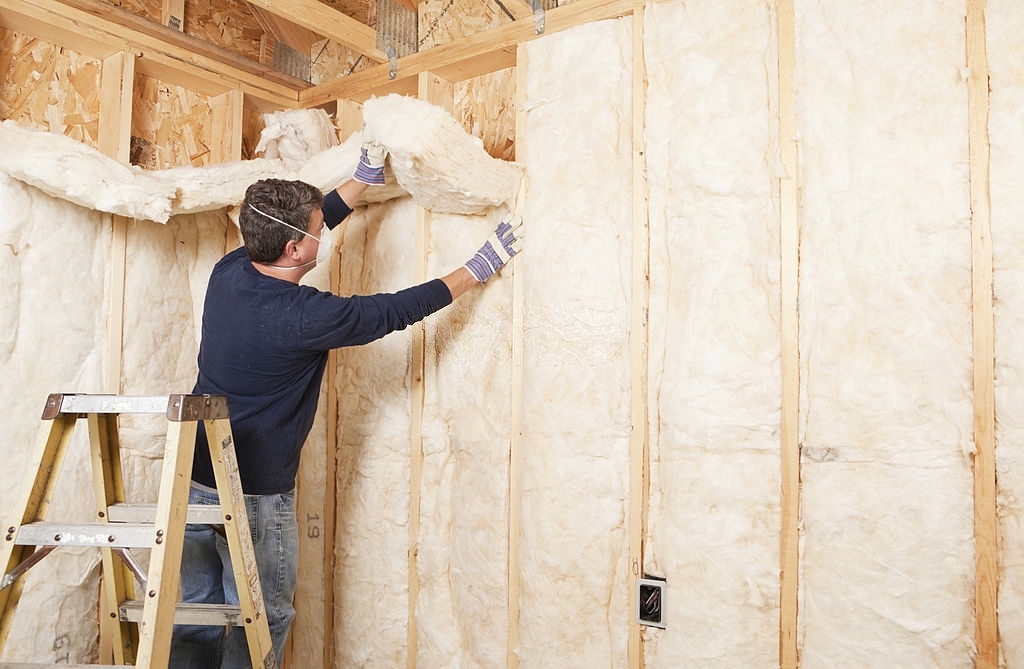
Batt insulation works best where framing cavities are open and accessible. That may include walls or ceilings during a remodel, unfinished areas, and certain attic configurations.
A proper fit matters. Gaps around the edges of a batt, compressed sections, and poorly cut areas around wiring or plumbing reduce the effectiveness of the installation.
Mineral wool is another option for certain wall and ceiling applications. Its denser construction can make it useful where sound control, fire resistance, or a firmer friction fit is part of the project.
Spray Foam Insulation
Spray foam can be useful in locations where traditional insulation does not seal air movement very well.
We may use foam around penetrations, framing gaps, attic access points, and other small openings where conditioned air can escape. Larger spray foam applications require more consideration because the insulation becomes part of how the roof, attic, and ventilation system function together.
We do not treat spray foam as the automatic answer for every house. The location, existing construction, ventilation, and overall goal of the project all matter.
Radiant Barrier Installation
A radiant barrier works differently from fiberglass, cellulose, or other insulation materials.
Instead of mainly slowing conductive heat transfer, it is designed to reduce radiant heat moving from the roof toward the attic space. In the right attic, that can help reduce heat buildup during sunny conditions.
Radiant barriers are usually considered alongside conventional attic insulation rather than as a replacement for it. If the attic floor has very little insulation, that problem still needs attention.
Air Sealing Before Adding Insulation
Insulation and air sealing solve related problems, but they are not the same thing.
Small openings around plumbing, electrical penetrations, framing joints, attic hatches, and other areas can allow conditioned air to leak into the attic. Adding insulation over those openings may slow heat transfer without stopping the air movement underneath.
When accessible, we look for obvious leakage points before new insulation goes in. This gives the insulation a better chance to do its job once the attic is covered again.
Can Better Insulation Help A Hot Upstairs Room?
Very often, yes, but we do not assume insulation is the only problem.
A bedroom directly below an attic may be getting too much heat through the ceiling. Another room may have weak supply airflow, damaged ducts, or too little return air. Sun exposure and room layout can also make certain spaces harder to cool.
Because EM Energy & Air handles HVAC as well as insulation, we can look at both sides of the problem. If the insulation is thin, we can improve it. If the ducts or airflow are contributing, we can point that out before you spend money on work that will only solve part of the issue.
Insulation For Remodels And Home Improvements
Remodeling creates a good opportunity to improve insulation in areas that are normally difficult to reach.
If walls or ceilings are already open for an addition, garage conversion, room renovation, or similar project, insulation can be installed before the finishes go back in. This is also a good time to inspect framing cavities for gaps, compression, or older materials that no longer provide consistent coverage.
Milpitas Insulation FAQs
How do I know if my attic needs more insulation?
Common signs include hot upstairs rooms, uneven temperatures, long HVAC run times, or visibly thin insulation in the attic. An inspection can show whether the existing coverage is adequate and whether certain areas have been missed.
Can you add new insulation over existing insulation?
Often, yes. Existing insulation may be left in place if it is dry, clean, and still in reasonable condition. Damaged or contaminated material may need to be removed first.
When should old attic insulation be removed?
Removal may make sense when insulation has been heavily disturbed, contaminated by pests, affected by moisture, or compressed to the point that adding material over it would leave an uneven base.
Is blown-in insulation better than fiberglass batts?
Neither is automatically better. Blown-in material is very useful for attic floors and irregular spaces, while batts work well in open framing cavities where they can be cut and fitted properly.
What is the difference between fiberglass and cellulose insulation?
Both can be used as blown-in insulation. They differ in composition, density, installation characteristics, and other performance details. We recommend materials based on the specific attic and project.
Where is mineral wool insulation usually used?
Mineral wool is often installed in open wall or ceiling cavities. Its density and firm fit can also make it useful where sound control or fire resistance is part of the goal.
Does spray foam replace traditional insulation?
Sometimes spray foam is used as a larger insulation system, but it is also commonly used in smaller areas for air sealing. The application depends on the construction and how the attic or wall assembly is designed.
What does a radiant barrier do?
A radiant barrier reduces radiant heat transfer from the roof toward the attic. It can be useful in certain attics, but it does not replace conventional insulation on the attic floor.
Can better attic insulation make upstairs rooms cooler?
Yes. Improving attic insulation can reduce heat transfer into rooms below. If a room stays hot after insulation is improved, airflow, ductwork, or another HVAC issue may also need attention.
Should air leaks be sealed before new insulation is installed?
When possible, yes. Sealing accessible gaps before covering them with insulation can reduce conditioned air loss and improve the overall performance of the attic.
Can insulation reduce how often my air conditioner runs?
It can. Better insulation reduces heat transfer into and out of the home, which can lower the amount of heating or cooling the HVAC system has to provide.
How long does attic insulation installation take?
Many attic insulation projects can be completed relatively quickly, but the schedule depends on attic size, access, whether removal is required, and the type of insulation being installed.
Request An Insulation Estimate In Milpitas
EM Energy & Air provides attic insulation, insulation replacement, blown-in insulation, batt and mineral wool installation, spray foam applications, radiant barriers, and air sealing in Milpitas.
We evaluate the existing insulation first and recommend work based on what the house needs rather than assuming every attic requires the same material or depth. Contact EM Energy & Air to schedule an insulation inspection or request an estimate.

We stand behind our work!
Copyright © 2026 EM ENERGY & AIR. CSLB #1153724
Design By Xammin