
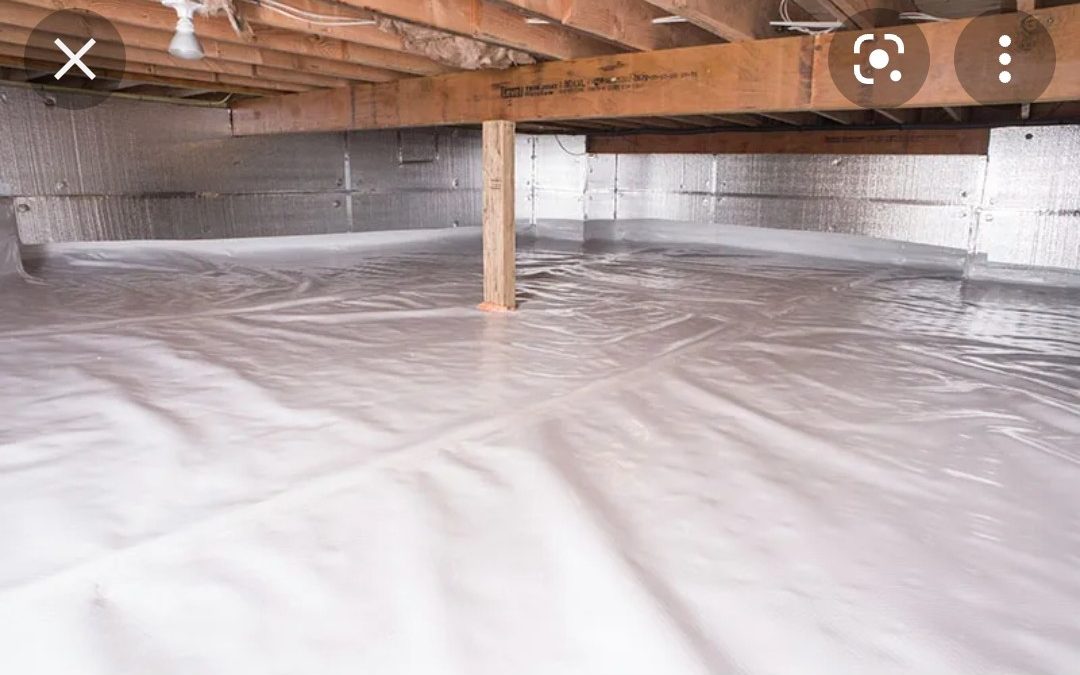
Many homeowners in the Bay Area rarely think about their crawlspace, yet it can influence the air inside the entire home. Moisture rising from exposed soil, poor ventilation, and damaged insulation can allow humidity, mold spores, and pests to spread into living areas. Encapsulation is designed to control those conditions by sealing the crawlspace from outside moisture and stabilizing the environment below the house.
Encapsulation systems typically combine a heavy vapor barrier, air sealing, insulation improvements, and sometimes drainage or dehumidification equipment. Because every crawlspace is different, project costs vary widely. Understanding what goes into the price helps homeowners make informed decisions.
Average Cost of Crawlspace Encapsulation
The cost of crawlspace encapsulation depends largely on the size of the crawlspace and the complexity of the work involved.
Across the United States, most encapsulation projects fall into the following ranges.
| Project Type | Typical Cost Range |
|---|---|
| Basic vapor barrier installation | $1,500 – $4,000 |
| Standard crawlspace encapsulation | $5,000 – $15,000 |
| Large or complex systems | $15,000 – $20,000+ |
Labor costs in Northern California tend to push pricing higher than national averages. In many Bay Area homes, full encapsulation projects fall somewhere between $6,000 and $15,000, depending on the scope of the work.
The size of the crawlspace is one of the largest cost factors.
| Crawlspace Size | Estimated Cost Range |
|---|---|
| 800 sq ft | $4,000 – $9,000 |
| 1,200 sq ft | $6,000 – $12,000 |
| 2,000 sq ft | $10,000 – $20,000 |
Many contractors estimate encapsulation at roughly $5 to $12 per square foot, though the final price depends on several conditions inside the crawlspace.
What a Full Crawlspace Encapsulation System Includes
A professional encapsulation project typically involves several steps that work together to control moisture and improve air quality.
Most systems include the following components:
-
Heavy-duty vapor barrier installed across the crawlspace floor
-
Sealing around foundation walls and structural openings
-
Insulation upgrades or replacement
-
Air sealing around penetrations and vents
-
Moisture management systems if needed
These elements create a controlled environment below the house. Instead of allowing damp outside air and soil moisture to circulate freely, the crawlspace becomes a cleaner and more stable part of the home.
Factors That Affect the Cost of Encapsulation
Crawlspace Size
The square footage of the crawlspace directly affects labor time and material usage. Larger crawlspaces require more vapor barrier material, more sealing work, and additional time for installation.
Vapor Barrier Thickness
Encapsulation systems use reinforced plastic barriers that vary in thickness.
| Barrier Thickness | Typical Use |
|---|---|
| 6 mil | Basic moisture barrier |
| 10–12 mil | Standard residential encapsulation |
| 20 mil | Heavy-duty systems for high-moisture areas |
Thicker materials cost more but provide greater durability and protection against punctures or tears.
Moisture or Drainage Problems
If standing water or drainage issues are present, additional work may be required before encapsulation can begin.
Examples include:
-
perimeter drainage installation
-
sump pump systems
-
crawlspace dehumidifiers
Typical costs for these additions include:
| System | Estimated Cost |
|---|---|
| Drainage system | $1,500 – $5,000 |
| Sump pump | $800 – $2,500 |
| Crawlspace dehumidifier | $1,200 – $3,000 |
These systems help prevent moisture buildup and protect the encapsulation materials over time.
Insulation Removal and Replacement
Older homes often contain damaged or poorly installed insulation inside the crawlspace. If the insulation has been affected by moisture or pests, it may need to be removed before new materials are installed.
Typical insulation work ranges between $1,500 and $4,000, depending on the size of the crawlspace and the type of insulation used.
Pest Damage or Contamination
Rodent activity is common in crawlspaces. When insulation or ductwork becomes contaminated, cleanup and sanitation may be required before encapsulation.
Remediation work can add anywhere from $1,000 to $6,000 or more, depending on the severity of the issue.
When Crawlspace Encapsulation Is Worth the Investment
Encapsulation provides the greatest benefit when moisture problems or poor insulation are already affecting the home.
Homeowners often notice improvements in several areas after encapsulation:
-
reduced humidity inside the house
-
fewer musty odors
-
improved heating and cooling efficiency
-
better indoor air quality
Encapsulation also protects structural components such as wooden floor framing from long-term moisture damage.
Alternatives if Crawlspace Encapsulation Is Too Expensive
Full encapsulation is not always necessary. In some homes, smaller upgrades can still provide meaningful improvements.
Vapor Barrier Installation
A simple ground vapor barrier blocks moisture rising from the soil. In many crawlspaces, exposed earth continuously releases water vapor into the air below the home. Over time, that moisture can contribute to musty odors, higher humidity, and deteriorating insulation.
A vapor barrier installation places a heavy plastic sheet across the crawlspace floor to slow that moisture transfer. Contractors typically secure the barrier around piers and along the foundation walls so it stays in place and provides consistent coverage. While this approach does not seal the entire crawlspace, it can reduce a large portion of ground moisture and is often the first step homeowners take before considering full encapsulation.
Typical cost range: $1,500 – $4,000
Crawlspace Dehumidifiers
Installing a crawlspace dehumidifier can help control humidity levels without sealing the entire crawlspace. These systems are designed specifically for confined spaces and operate differently from portable household units. A crawlspace dehumidifier continuously removes excess moisture from the air, helping prevent mold growth and improving overall air quality.
Dehumidifiers are sometimes installed after a vapor barrier has already been placed on the crawlspace floor. This combination can reduce humidity levels significantly without the cost of a full encapsulation system. The size of the crawlspace and the level of humidity present will determine the capacity of the unit required.
Typical cost range: $1,000 – $2,500
Crawlspace Vent Improvements
In some cases, improving airflow through existing crawlspace vents may help manage moisture levels. Older homes sometimes have blocked or poorly positioned vents that limit air circulation under the house. Clearing obstructions, replacing damaged vent covers, or adjusting vent placement can help improve airflow and reduce damp conditions.
Vent improvements can also include installing screened vents to prevent pests while still allowing outside air to circulate. This approach is generally considered a lower-cost option and may provide relief in crawlspaces where moisture problems are mild rather than severe.
Typical cost range: $300 – $1,200
Partial Encapsulation
Some homeowners choose a hybrid approach that includes a vapor barrier and limited sealing work without installing a full encapsulation system. Partial encapsulation often involves sealing foundation vents, installing a reinforced ground barrier, and adding insulation or air sealing in targeted areas of the crawlspace.
This method can significantly reduce moisture and temperature fluctuations while keeping project costs more manageable. It does not provide the same level of environmental control as full encapsulation, but it can still improve comfort and energy efficiency in many homes.
Typical cost range: $3,000 – $6,000
A professional inspection can help determine which approach makes the most sense for your home.
Crawlspace Conditions in Bay Area Homes
Homes throughout the Bay Area often sit on raised foundations with crawlspaces underneath. Mild winters and coastal humidity can allow moisture to accumulate over time, especially when soil is exposed or insulation has deteriorated.
Encapsulation is one way to stabilize these spaces and reduce the impact of outside humidity on indoor comfort.
Local conditions such as soil moisture, ventilation design, and foundation height all influence the best solution for each home.
Schedule a Crawlspace Inspection
If your home has musty odors, uneven temperatures, or persistent humidity, the crawlspace may be part of the problem. A professional inspection can help identify moisture issues and determine whether encapsulation, insulation upgrades, or other improvements would make the biggest difference.
EM Energy & Air works with homeowners throughout the Bay Area to evaluate crawlspaces and recommend practical solutions that improve comfort, efficiency, and indoor air quality.