
A lot of Bay Area homeowners hear the phrase “Title 24” for the first time right after getting a quote for a furnace, heat pump, or duct replacement. Usually the reaction is something along the lines of: “Wait… what exactly is this, and why does it affect my HVAC project?”
The short answer is that Title 24 is California’s energy efficiency building code. It affects how heating, cooling, ventilation, insulation, ductwork, and other systems are installed in homes across the state.
At EM Energy & Air, we help homeowners with HVAC services throughout San Jose, Sunnyvale, Cupertino, Palo Alto, Fremont, Hayward, San Mateo, and surrounding Bay Area communities. The good news is that Title 24 is not as mysterious as it sounds.
What Is Title 24?
California’s Energy Efficiency Building Standard
Title 24 is part of California’s building standards code. The section most homeowners encounter deals with energy efficiency requirements for homes and commercial buildings.
In practical terms, it sets minimum standards for things like:
- HVAC efficiency
- Duct sealing
- Insulation performance
- Ventilation
- Windows and doors
- Lighting and controls
The idea is that California wants homes to use less energy while remaining comfortable and healthy to live in.
Why California Updates These Codes Regularly
The code changes every few years because technology keeps changing. HVAC systems today are far more efficient than systems from the 1990s or early 2000s, and the state adjusts the standards to reflect that.
The newer updates also focus heavily on electrification, heat pumps, indoor air quality, and reducing strain on the electrical grid during peak demand periods.
This is why homeowners replacing older systems are seeing different recommendations than they would have heard ten years ago.
Why Title 24 Matters During HVAC Projects
HVAC Replacements Often Trigger Code Requirements
A lot of people assume HVAC replacement is basically “remove old unit, install new unit.” Sometimes it’s that straightforward. A lot of the time, though, the project triggers code compliance requirements.
For example, replacing a furnace or AC system may require:
- Duct leakage testing
- Permit approval
- Minimum efficiency standards
- Updated thermostat controls
- Airflow verification
Older homes throughout the Bay Area often have duct systems or insulation levels that no longer meet current expectations.
The Goal Is Better Efficiency and Airflow
The state is not just focused on the equipment itself. The installation quality matters too.
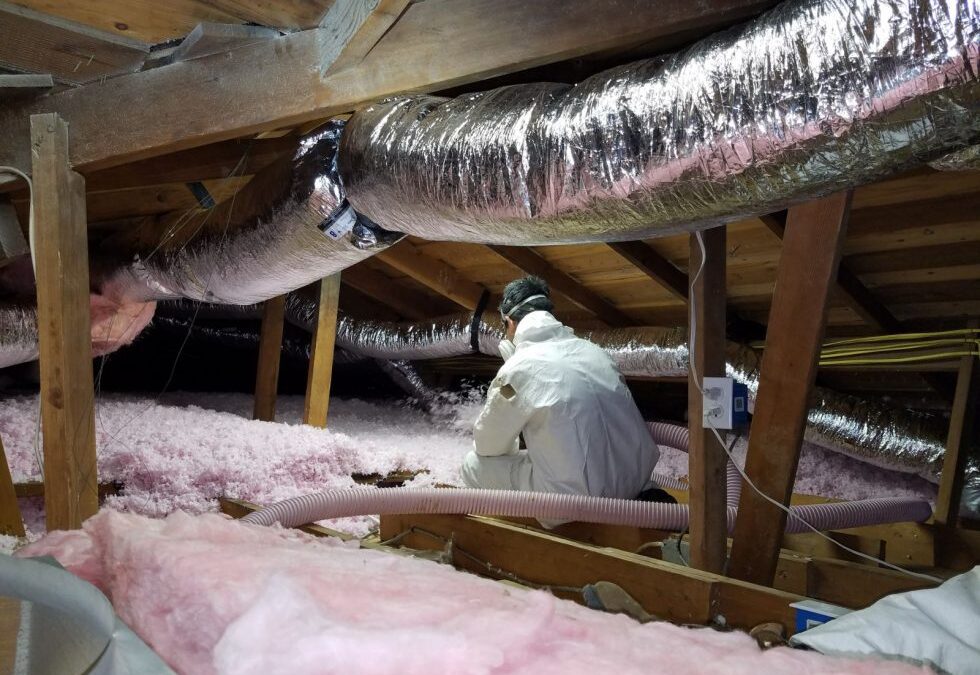
You can install an expensive high-efficiency system, but if the ducts leak badly or airflow is poorly balanced, the system still wastes energy. We see this all the time in older homes where conditioned air dumps into the attic instead of reaching the bedrooms.
That is one reason modern code requirements pay much closer attention to duct sealing and airflow performance.
Common HVAC Upgrades Affected by Title 24
Furnace and Air Conditioner Replacement
When homeowners replace older heating and cooling equipment, efficiency ratings now play a much larger role than they used to.
The replacement system needs to meet current performance standards, and in some cases additional upgrades are needed to support the installation properly.
Heat Pump Installation
Heat pumps have become a major focus under California’s newer energy standards because they provide both heating and cooling efficiently through electricity rather than combustion.
In the Bay Area’s mild climate, heat pumps perform extremely well. More homeowners are switching to them as older gas furnaces reach the end of their lifespan.
Duct Replacement and Duct Sealing
Duct leakage is a huge issue in older homes. Some systems lose an enormous amount of conditioned air before it ever reaches the rooms.
Replacing or sealing ducts can improve efficiency dramatically, which is why duct performance now receives much more attention during HVAC upgrades.
Smart Thermostats and HVAC Controls
Modern systems increasingly rely on programmable or smart controls to improve efficiency. Some installations require updated thermostat systems that can better manage temperature schedules and energy use.
This is especially useful for homeowners on time-of-use utility plans.
Insulation and Attic Improvements
Sometimes the HVAC system is not the only issue. Poor attic insulation, major air leaks, or ventilation problems can affect whether the system performs efficiently.
This is one reason EM Energy & Air handles insulation and ventilation work alongside HVAC upgrades. The systems affect each other.
What Homeowners Usually Notice During the Process
Permit Requirements and Inspections
Many HVAC projects require permits and inspections. Legitimate contractors build these steps into the project instead of trying to avoid them.
Inspectors are generally looking for safe installation practices, proper airflow, sealed ducts, correct equipment sizing, and code compliance.
HERS Testing and Duct Leakage Verification
Homeowners often hear about HERS testing during larger HVAC projects.
HERS stands for Home Energy Rating System. In simple terms, it involves testing and verifying that the HVAC installation meets certain energy performance standards. Duct leakage testing is one common example.
Why Quotes Sometimes Vary Dramatically Between Contractors
This part surprises a lot of homeowners.
One contractor may include permits, testing, proper duct sealing, and code-compliant installation practices. Another may skip half those steps and come in much cheaper.
The lower quote is not always the better deal if corners are being cut.
Title 24 Is Not Just About Energy Bills
Indoor Comfort and Air Quality Matter Too
A properly designed HVAC system should do more than heat and cool the house. Airflow, humidity control, filtration, and ventilation all affect how comfortable the home feels day to day. Modern California standards place much more emphasis on these details than older codes did.
Poor Installations Create Long-Term Problems
Oversized systems, bad airflow, disconnected ducts, and poorly insulated attics create problems that linger for years.
We regularly inspect homes where the HVAC equipment itself is fairly new, but the installation quality was poor from the beginning. The homeowner ends up dealing with uneven temperatures, high utility bills, and constant cycling.
What Changed Under California’s 2025 Energy Code Update?
Heat Pumps and Electrification Became More Prominent
The 2025 update places more emphasis on efficient electric systems, especially heat pumps for heating and cooling.
That does not mean gas systems disappeared overnight. What it does mean is that California increasingly encourages systems that reduce energy consumption and support broader electrification goals.
Better Building Envelopes and Smarter Controls
The updated standards also place more focus on insulation performance, windows, exterior walls, and smarter HVAC controls.
The idea is to reduce wasted energy throughout the home instead of relying entirely on the HVAC equipment to compensate for inefficiencies.
Why This Matters for Bay Area Homeowners
A large percentage of Bay Area homes were built long before modern efficiency standards existed. Many still have aging duct systems, minimal attic insulation, or older HVAC equipment that struggles to operate efficiently.
As utility costs continue rising, homeowners are paying closer attention to overall system performance rather than just replacing individual components.
How EM Energy & Air Helps Homeowners Navigate Title 24
Honest Recommendations Instead of Upselling
We spend a lot of time explaining options clearly instead of pushing homeowners toward the most expensive system possible.
Sometimes a targeted duct upgrade and insulation improvement solves the problem better than replacing the HVAC equipment alone.
Full-Service HVAC and Energy Efficiency Work
Because we handle HVAC, ductwork, insulation, crawlspace work, radiant barriers, and ventilation improvements, we can look at the home as a complete system instead of treating every issue separately.
That usually leads to better long-term results.
Fast Turnaround and Transparent Pricing
We provide free inspections, on-the-spot estimates, fast installation timelines, and transparent pricing without surprise charges later in the project.
Call EM Energy & Air for HVAC Upgrades in the Bay Area
If you are planning to replace a furnace, install a heat pump, upgrade your ductwork, or improve your home’s energy efficiency, it helps to understand how California’s current code requirements affect the project.
EM Energy & Air works with homeowners throughout the Bay Area to design HVAC systems that perform efficiently, pass inspection, and improve comfort long term. Reach out today to schedule a free inspection and estimate.
Title 24 and HVAC FAQ
Does Every HVAC Replacement Need To Meet Title 24 Requirements?
Most major HVAC upgrades in California involve some level of Title 24 compliance, especially when permits are required. The exact requirements depend on the type of project and the equipment being installed.
What Is HERS Testing?
HERS testing stands for Home Energy Rating System testing. It is used to verify that certain parts of an HVAC installation meet California energy efficiency standards, including duct leakage and airflow performance.
Are Heat Pumps Required in California Now?
No. California increasingly encourages heat pumps because they are efficient and electric, but homeowners still have options depending on the project and local requirements.
Can Old Ductwork Cause an HVAC Project To Fail Inspection?
Yes, in some situations. Severely leaking or damaged ducts may not meet current performance standards, especially if duct leakage testing is required as part of the project.
What Areas Does EM Energy & Air Serve?
We provide HVAC, ductwork, insulation, and air quality services throughout San Jose, Sunnyvale, Cupertino, Palo Alto, Fremont, Hayward, San Mateo, Santa Clara, Mountain View, and surrounding Bay Area communities.
What Other Energy Efficiency Services Do You Offer?
In addition to HVAC installation and repair, EM Energy & Air provides duct replacement, attic insulation, radiant barriers, crawlspace vapor barriers, attic ventilation, whole house fans, and indoor air quality improvements.